Asset owners
Independent evidence about assets someone else operates: whether a shortfall is resource or management, whether contracted performance was delivered, and how much of the deficit is recoverable.
Read the asset owner caseAn asset owner, an operating team, and a maintenance planner look at the same fleet and answer different questions about it. The analysis underneath is one platform. What a finding is worth, and which one is acted on first, is not.
Each page below is written for one of them, and links to the part of the platform it depends on.
Independent evidence about assets someone else operates: whether a shortfall is resource or management, whether contracted performance was delivered, and how much of the deficit is recoverable.
Read the asset owner caseA daily work list ordered by the energy at stake, with weather separated from machine before an engineer is dispatched and control-side corrections identified without a site visit.
Read the operator caseEnough lead time to convert an unplanned intervention into a scheduled one, with alerts ranked by predicted risk, production at stake, and what the visit itself costs.
Read the O&M caseA mixed portfolio normalized onto one scale, findings valued against the offtake basis that applies to each asset, and external reporting produced from the operating record.
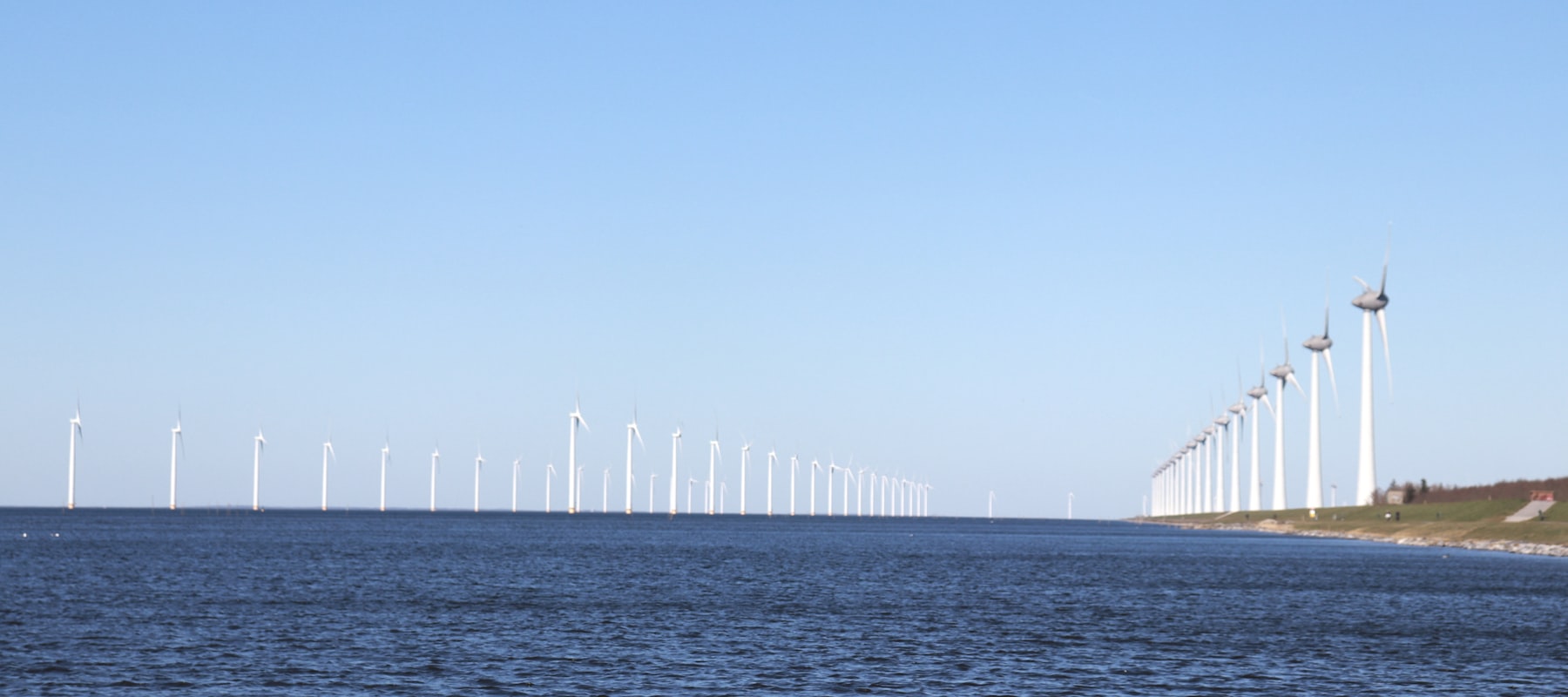
Read the IPP caseOpenTurbine supports renewable energy companies across onshore and offshore operations, adapting intelligence to the different priorities of each environment.
Onshore fleets require consistent visibility across many assets, sites, and operating conditions. OpenTurbine helps teams understand fleet performance, identify opportunities, and prioritize actions with greater clarity.
Offshore operations require careful planning, strong evidence, and clear prioritization. OpenTurbine helps teams assess performance and operational risk across complex, high-value assets.
Every term below has a full definition in the wind energy glossary, written for the people accountable for a fleet rather than for a search engine.
If a question is not answered here, a short call will settle it faster than a form.
The ten-minute SCADA history the turbines already write: power, wind speed and direction, nacelle position, pitch angle, and whichever temperature and vibration channels the turbine model exposes. A single export covering twelve months is sufficient for a first assessment.
No. There is no new hardware, no change to the control system, and nothing requiring certification with the original equipment manufacturer. That constraint is deliberate: anything that touches the machine converts a data question into a warranty conversation.
A manufacturer's portal reports what a turbine did against its own specification. OpenTurbine compares each machine against comparable units operating in the same conditions, which is what identifies a turbine that is technically healthy and still producing below the fleet.
Yes, and a mixed fleet is usually the reason to adopt it. The models are fitted per turbine, so a portfolio running two manufacturers and three rotor diameters is assessed on one scale instead of through three separate portals.
It remains yours. It is not pooled with data from other operators and it is not used to train models that serve anyone else. The commercial agreement states this in writing before any export is transferred.
An assessment on twelve months of history is measured in days rather than as a deployment project. The deliverable is a ranked set of findings with the annual energy and revenue attached to each one.
See how OpenTurbine can help your team understand performance, anticipate operational issues, and make better decisions across your wind assets.