Vessel mobilization
Bringing a crew transfer or jack-up vessel to an offshore wind farm - the access constraint that dominates offshore maintenance economics.
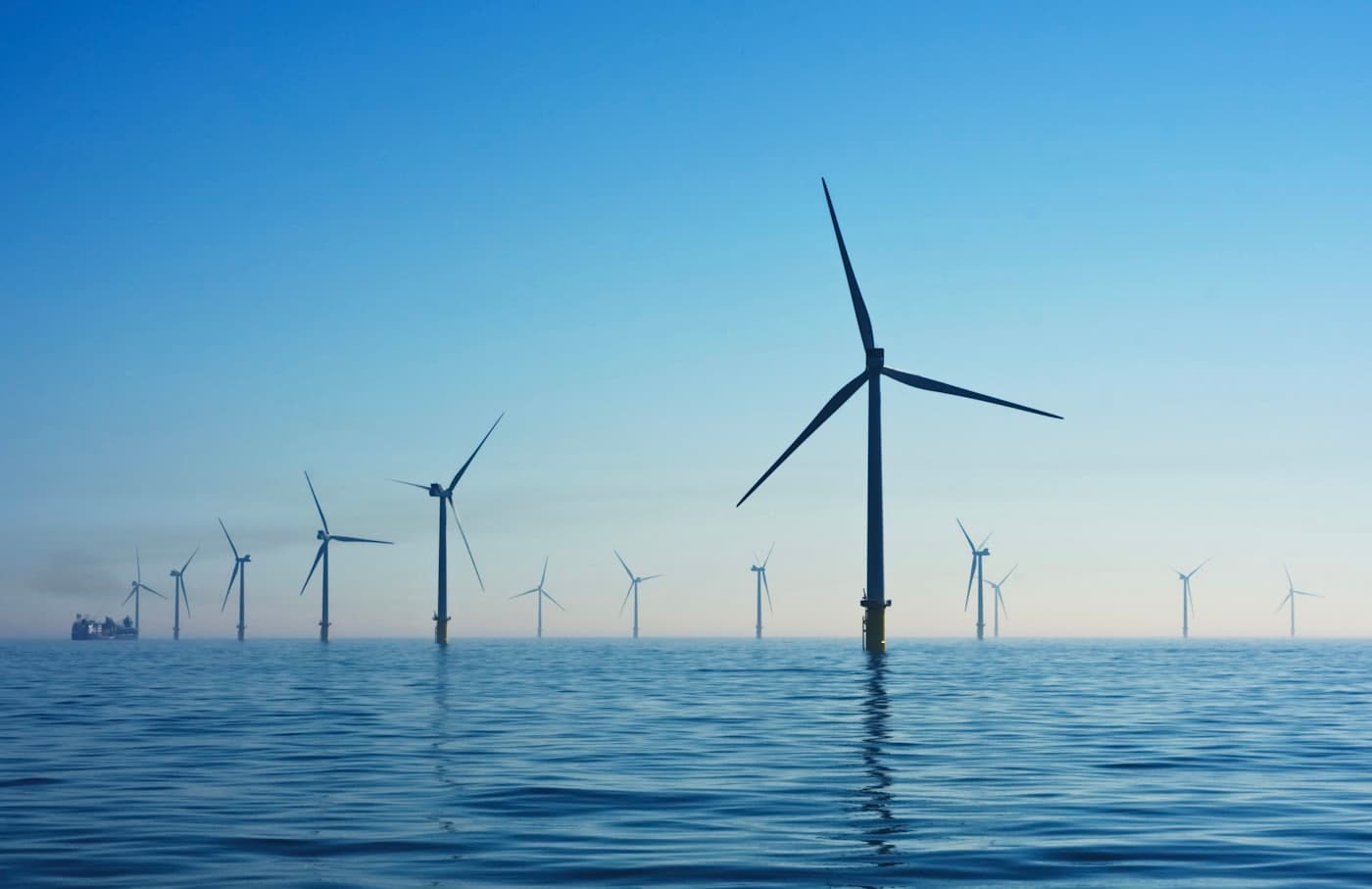
Nothing happens on an offshore turbine without a vessel. Routine work uses crew transfer vessels or service operation vessels; a major component exchange needs a jack-up or a heavy-lift vessel, which is chartered at day rates in the tens to hundreds of thousands of dollars and booked months ahead. Mobilization is the cost of getting that asset to site and standing it up, before any work is done.
Weather governs everything. Significant wave height and wind limits define whether transfer is possible at all, and the accessible weather windows in a North Sea winter can be short and infrequent. A repair that would take a day onshore may wait weeks offshore for a window, which is why unplanned downtime is so much more expensive there.
The consequence is that offshore maintenance is planned in campaigns rather than in visits. Work is consolidated so that one mobilization addresses many machines, and the value of early warning is not only in avoiding a failure but in knowing far enough ahead to get the work into the campaign that is already scheduled.
It also changes the cost of a wrong answer. A false positive onshore is a wasted technician day; offshore it can be a wasted vessel day, which is why precision rather than sensitivity is the correct target for predictive maintenance on an offshore fleet.
A more intelligent approach to sustainable energy.
See how OpenTurbine can help your team understand performance, anticipate operational issues, and make better decisions across your wind assets.