Blade erosion
Progressive roughening and material loss along the leading edge of a blade, caused by rain, hail, and particulates, which degrades aerodynamic performance.
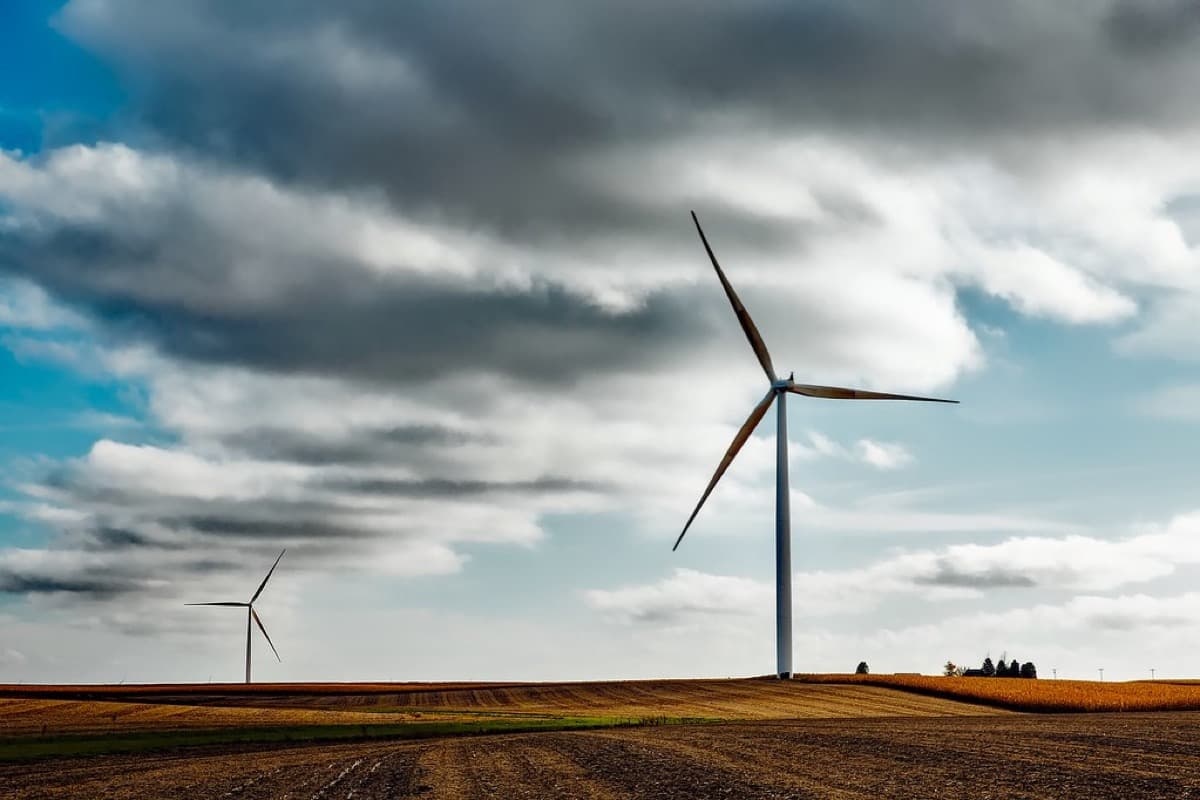
Blade tips on a large turbine travel at well over two hundred kilometers per hour, and everything in the air hits them at that speed. Rain, hail, sand, and insects wear the leading edge over years, first roughening the surface and eventually removing coating and laminate. Offshore and in coastal or arid environments the process runs faster.
The performance effect arrives long before the structural one. A roughened leading edge disturbs the boundary layer, which reduces lift and increases drag across much of the operating range. Published field studies and manufacturer assessments generally place the cost of moderate erosion in the low single digits of annual energy production, and severe cases higher, which makes it one of the largest slow losses in an aging fleet.
It is also one of the hardest to see. Erosion develops over seasons, so month-to-month comparisons show nothing, and it affects all machines on a site to some degree, so a fleet ranking that compares turbines against each other can miss a loss that everything shares. It appears clearly against a turbine's own multi-year power curve, as a gradual downward drift in the partial-load region that no fault code accompanies.
The commercial question is when to repair rather than whether. Leading edge protection and blade repair carry access cost and downtime, so the decision depends on the energy being lost now against the cost of intervening, which is the same trade-off that governs lifetime extension decisions on older assets.
A more intelligent approach to sustainable energy.
See how OpenTurbine can help your team understand performance, anticipate operational issues, and make better decisions across your wind assets.